
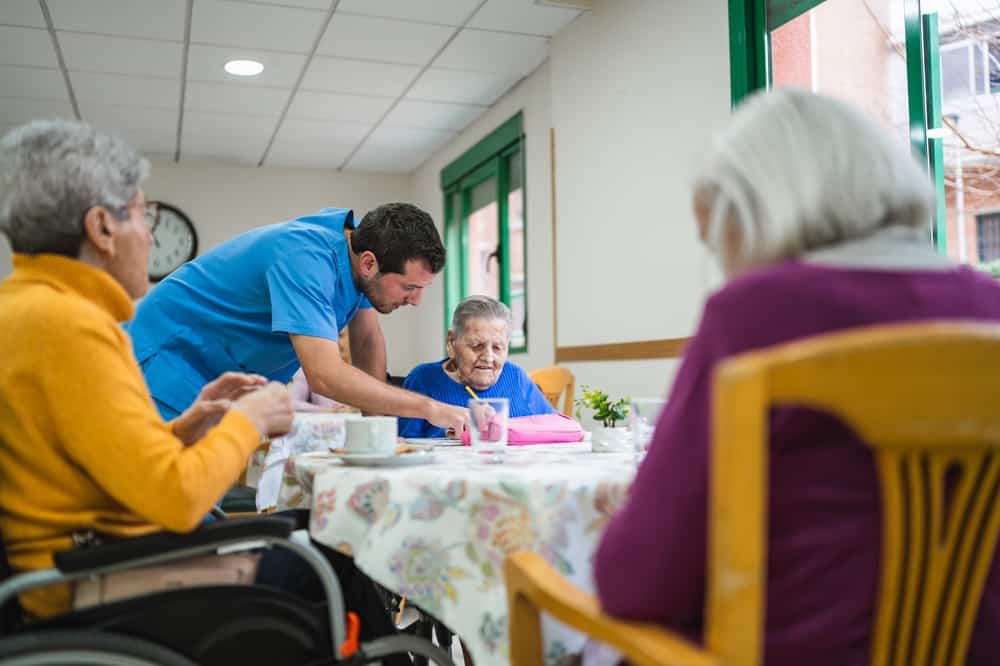
At Bridgeway Park Canton, we understand that families want the very best for their aging loved ones. As seniors age, their needs change, often requiring lifestyle adjustments and home modifications to maintain safety and comfort. Even with careful planning, a private home cannot provide the same level of safety as assisted living. In an assisted living community, seniors receive personalized care, daily support, and a secure environment designed specifically for aging adults.
But what safety features truly support residents’ changing needs? Below is a comprehensive overview of the most important assisted living safety features that help protect residents and provide families with peace of mind. Understanding these features can help you make a confident, informed decision for your loved one.
Fall Prevention & Accessibility
According to the Centers for Disease Control and Prevention falls are one of the leading causes of injury among adults age 65 and older. They can result in serious, sometimes life-threatening injuries. Assisted living communities implement multiple measures to reduce fall risks and improve accessibility.
Grab Bars & Handrails
Grab bars and handrails are installed in hallways, bathrooms, stairways, and common areas to provide stability and support. These features are built to handle weight-bearing use and help residents move safely throughout the community.
Non-Slip Flooring
Assisted living communities use non-slip flooring to reduce the risk of slipping, especially in high-traffic or moisture-prone areas. This flooring provides better traction and cushioning to support safer movement.
Adequate Lighting
Lighting is designed to support aging vision without causing glare. Many communities use adjustable lighting that can be brightened during the day and softened at night. Motion-activated lighting is often used to improve nighttime safety.
Wide Spaces
Living spaces are designed to accommodate wheelchairs, walkers, and other mobility aids. Wider doorways and hallways allow residents to move independently and safely.
Clutter-Free Environment
Clear walkways and organized spaces help reduce tripping hazards. Assisted living communities avoid loose rugs, exposed cords, and unnecessary obstacles to promote safer navigation.
Emergency Response Systems
Even in safe environments, emergencies can still occur. Assisted living communities are equipped with systems that allow for quick response and immediate assistance.
24/7 Alerts
Emergency call systems, pull cords in bathrooms and bedrooms, and wearable alert devices ensure residents can request help at any time.
Trained Staff
Staff members receive emergency response training so they can act quickly and appropriately during medical or safety situations.
Backup Power
Most communities have generator systems in place to maintain lighting, alarms, and essential medical equipment during power outages.
Disaster Preparedness Plans
Assisted living communities maintain emergency plans for situations such as severe weather, power outages, or evacuations. These plans typically include communication protocols, evacuation procedures, and resource coordination.
Security & Controlled Access
Assisted living communities have security features help protect residents while allowing them to move freely within the community.
Controlled Entry
Controlled access systems such as keypads, key cards, or fobs ensure that only authorized individuals can enter the building.
Surveillance
Security cameras in common areas help monitor activity and improve overall safety.
Staff Screening
Communities follow staff screening and background check procedures to ensure residents are cared for by qualified, trustworthy professionals.
Fire Safety & Health Protections
Fire prevention and general health safety measures are essential components of assisted living.
Detection & Suppression
Smoke detectors, carbon monoxide detectors, fire sprinklers, and extinguishers are installed throughout residential and shared spaces.
Regular Drills
Communities conduct routine fire and evacuation drills to ensure staff are prepared to respond effectively in emergencies.
Medication Management
Assisted living provides structured medication management systems to ensure medications are administered safely and accurately.
Infection Control
Clean, well-maintained environments and proper air-quality protocols help protect residents’ health.
Communication & Oversight
Clear communication supports resident safety and family confidence.
Family Communication
Assisted living communities encourage open communication with families, providing updates and opportunities for involvement.
Regular Audits
Routine internal reviews help identify and address safety concerns before they become issues.
Bridgeway Park Canton – Assisted Living Focused on Safety and Comfort
At Bridgeway Park Canton, we understand how difficult it can be to choose the right assisted living community for an aging loved one. Changes in mobility, health, and daily functioning often require a living environment designed with safety in mind.
The safety features outlined above support residents’ well-being while allowing them to live comfortably and confidently. A thoughtfully designed assisted living community helps seniors stay active, engaged, and secure without feeling overwhelmed.
At Bridgeway Park Canton, our personalized care plans address each resident’s unique needs. We foster a close-knit, family-like community where residents receive 24-hour care, life-enrichment opportunities, and convenient on-site services such as salon and podiatry care. Contact us today to learn more about our services, amenities, and commitment to safe, compassionate assisted living.